
21 May 2026
Beauty professionals across Australia are being urged to check their local infection control and skin penetration requirements, as rules can differ significantly between states, territories and local counci
While infection control is a national safety concern, its regulation is not always identical across Queensland, New South Wales and Victoria. This can create confusion for beauty therapists, cosmetic tattoo artists, skin needling providers, body piercers, tattooists and other professionals offering treatments that involve skin penetration.
In Queensland, higher-risk personal appearance service businesses require a licence, and operators must hold HLTINF005 Maintain infection prevention for skin penetration treatments. Queensland Health identifies this as the designated infection control competency for higher-risk personal appearance services. (Queensland Health)
In New South Wales, skin penetration procedures are regulated under the Public Health Act 2010 and Public Health Regulation 2022. NSW Health states that its guidance applies to beauty, body art and skin penetration industries, including procedures where infection control requirements apply. (NSW Health)
Victoria has its own public health framework for hair, beauty, tattooing and skin penetration industries. The Victorian Department of Health provides infection prevention and control guidance for registered premises and environmental health officers. (Health Victoria)
“One of the biggest issues we see is beauty professionals assuming the rules are the same across every Australian state,” said Michelle Scurry, owner of Elevare Training. “In reality, infection control, licensing and council requirements can differ significantly depending on where you operate.”
These rules are particularly important where treatments involve needles, sharps, blood exposure, mucous membranes or equipment that must be cleaned, disinfected or sterilised correctly.
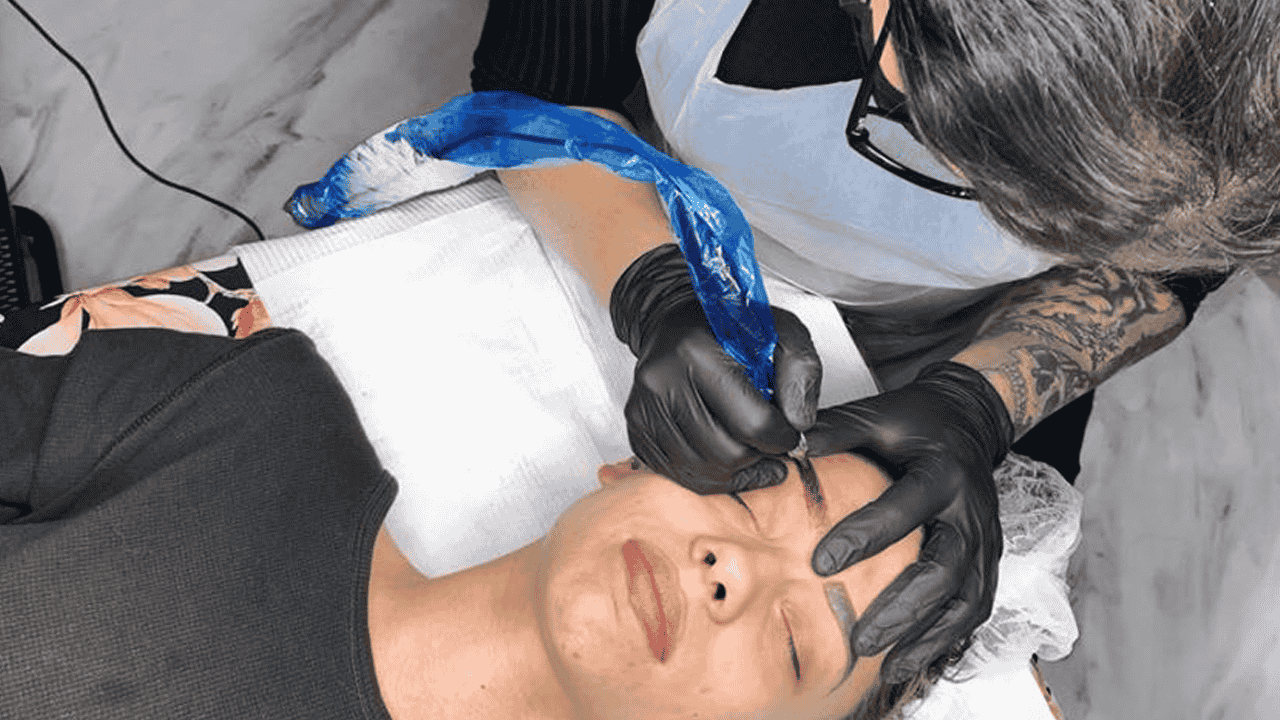
The beauty industry has expanded well beyond traditional salon services. Many operators now offer treatments such as cosmetic tattooing, microblading, skin needling, tattooing, body piercing and advanced skin procedures.
“Infection control is not just paperwork it directly impacts client safety,” Scurry said. “Proper training helps beauty professionals understand hygiene, sterilisation, sharps handling and how to reduce cross-contamination risks in real clinic environments.”
Under Queensland’s personal appearance services framework, businesses that offer higher-risk services need a higher-risk personal appearance service licence. Operators providing these services must hold HLTINF005 Maintain infection prevention for skin penetration treatments. (Queensland Health)
Brisbane City Council also states that businesses carrying out higher risk personal appearance services need a licence. Examples include body piercing, implanting substances, scarring, cutting, tattooing and tattoo removal involving skin penetration. (Brisbane City Council)
This is especially relevant for services such as tattooing, cosmetic tattooing, body piercing and procedures involving skin penetration. Skin needling may also trigger infection control obligations depending on the treatment, setting and local requirements, so operators should confirm the rules with their state health authority and local council.
NSW Health explains that these rules apply to skin penetration premises and procedures, including beauty, body art and grooming procedures. (NSW Health)
The NSW framework is highly procedure-focused. Businesses need to understand hygiene rules, premises requirements, equipment handling, sharps disposal, sterilisation and inspection expectations.
This means NSW operators should not assume that a general beauty qualification is enough. They need to understand how their specific treatment is classified and what infection control obligations apply.
The Victorian Department of Health provides infection prevention and control guidance for hair, beauty, tattooing and skin penetration industries. (Health Victoria)
Many Victorian public health businesses must also be registered with local council under the Public Health and Wellbeing Act 2008, depending on the service type and premises. (Frankston City Council)
This means Victorian operators need to consider both infection prevention practices and local registration obligations before opening or expanding a beauty business.
Training.gov.au states that the unit covers the skills and knowledge required to maintain infection prevention during skin penetration treatments and to review clinic compliance with applicable state or territory requirements. (Training.gov.au)
This is important because infection control training is not only about hygiene techniques. It also helps operators understand risk management, clinic processes, contamination control, documentation and state-based compliance obligations.
“Many students are surprised to learn that completing a treatment course alone may not be enough,” Scurry said. “Operators also need to understand local council requirements, infection control obligations and whether they need nationally recognised units such as HLTINF005.”
In Queensland, local councils issue higher risk personal appearance service licences. In NSW, local government authorities are involved in inspection and compliance for skin penetration businesses. In Victoria, councils commonly manage registration for public health businesses.
This means two businesses offering similar services in different states, or even different council areas, may face different approval steps.
Beauty professionals should check:
• state health department requirements
• local council licensing or registration rules
• premises approval requirements
• infection control training requirements
• inspection and documentation obligations
• sharps, sterilisation and hygiene procedures
A qualification, licence or business approval that is suitable in one location may not automatically satisfy all requirements in another.
“The cosmetic tattooing and advanced beauty industry has grown rapidly across Australia,” Scurry said. “As more people enter the industry, understanding state-based compliance requirements becomes even more important.”
This is particularly relevant for mobile beauty operators, home-based clinics, cosmetic tattoo artists, tattooists, skin needling providers and salons adding new advanced treatments.
Poor infection control can increase the risk of blood-borne virus exposure, bacterial infection, cross-contamination and unsafe treatment environments.
For clients, strong infection control standards help build confidence in the beauty industry. For operators, compliance supports safer practice, stronger professionalism and better business protection.
A beauty professional operating in Queensland may face different obligations from one operating in New South Wales or Victoria.
Someone trained in one state may still need to check whether their qualification, premises, council approval and service procedures meet the requirements in another state.
This is especially important for services such as:
• cosmetic tattooing
• eyebrow tattooing and microblading
• tattooing
• body piercing
• skin needling
• tattoo removal involving skin penetration
• advanced dermal and skin treatments
• services involving blood or body fluid exposure
They should also confirm whether council registration, licensing, premises approval or HLTINF005 training is required.
“Before offering skin penetration treatments, beauty professionals should confirm the requirements in their own state and local council area,” Scurry said. “Staying compliant protects both the operator and the client.”
The safest approach is to check with the relevant state health department, local council and a trusted registered training organisation before adding new services.
Not always. The requirement depends on the state, treatment type and whether the service involves skin penetration or higher-risk personal appearance services. In Queensland, operators providing higher-risk personal appearance services must hold HLTINF005. (Queensland Health)
Are Skin Penetration Laws Different In Each State
Yes. Australia does not have one identical compliance pathway for every state and council. Queensland, NSW and Victoria each use different regulatory frameworks, terminology and local government processes.
Do Cosmetic Tattoo Artists Need Infection Control Training
In many cases, yes. Cosmetic tattooing commonly involves skin penetration, so operators should check state health requirements, council rules, and recognised infection control training obligations before treating clients.
Do Beauty Businesses Need Council Approval
Often, yes. Depending on the state, service and premises, local council licensing or registration may be required. Operators should confirm this before opening, relocating or adding new treatments.
What Is Considered A Higher Risk Personal Appearance Service
In Queensland, higher-risk personal appearance services include services that involve skin penetration and create infection control risks. Brisbane City Council lists examples such as body piercing, implanting substances, scarring, cutting, tattooing and tattoo removal involving skin penetration. (Brisbane City Council)
Anyone offering skin penetration, cosmetic tattooing, tattooing, piercing, skin needling or other higher risk beauty services should check their state requirements, confirm local council obligations and complete appropriate infection control training before treating clients.
In Queensland, higher-risk personal appearance service businesses require a licence, and operators must hold HLTINF005 Maintain infection prevention for skin penetration treatments. Queensland Health identifies this as the designated infection control competency for higher-risk personal appearance services. (Queensland Health)
In New South Wales, skin penetration procedures are regulated under the Public Health Act 2010 and Public Health Regulation 2022. NSW Health states that its guidance applies to beauty, body art and skin penetration industries, including procedures where infection control requirements apply. (NSW Health)
Victoria has its own public health framework for hair, beauty, tattooing and skin penetration industries. The Victorian Department of Health provides infection prevention and control guidance for registered premises and environmental health officers. (Health Victoria)
“One of the biggest issues we see is beauty professionals assuming the rules are the same across every Australian state,” said Michelle Scurry, owner of Elevare Training. “In reality, infection control, licensing and council requirements can differ significantly depending on where you operate.”
Why Infection Control Laws Matter In The Beauty Industry
Infection control laws are designed to reduce the risk of infection, cross-contamination and unsafe hygiene practices during beauty and skin penetration treatments.These rules are particularly important where treatments involve needles, sharps, blood exposure, mucous membranes or equipment that must be cleaned, disinfected or sterilised correctly.
The beauty industry has expanded well beyond traditional salon services. Many operators now offer treatments such as cosmetic tattooing, microblading, skin needling, tattooing, body piercing and advanced skin procedures.
“Infection control is not just paperwork it directly impacts client safety,” Scurry said. “Proper training helps beauty professionals understand hygiene, sterilisation, sharps handling and how to reduce cross-contamination risks in real clinic environments.”
Queensland Has Clear Training Requirements For Higher Risk Services
Queensland is one of the clearest examples of state-based infection control requirements.Under Queensland’s personal appearance services framework, businesses that offer higher-risk services need a higher-risk personal appearance service licence. Operators providing these services must hold HLTINF005 Maintain infection prevention for skin penetration treatments. (Queensland Health)
Brisbane City Council also states that businesses carrying out higher risk personal appearance services need a licence. Examples include body piercing, implanting substances, scarring, cutting, tattooing and tattoo removal involving skin penetration. (Brisbane City Council)
This is especially relevant for services such as tattooing, cosmetic tattooing, body piercing and procedures involving skin penetration. Skin needling may also trigger infection control obligations depending on the treatment, setting and local requirements, so operators should confirm the rules with their state health authority and local council.
NSW Uses A Public Health Regulation Framework
In New South Wales, skin penetration procedures are regulated under the Public Health Act 2010 and Public Health Regulation 2022.NSW Health explains that these rules apply to skin penetration premises and procedures, including beauty, body art and grooming procedures. (NSW Health)
The NSW framework is highly procedure-focused. Businesses need to understand hygiene rules, premises requirements, equipment handling, sharps disposal, sterilisation and inspection expectations.
This means NSW operators should not assume that a general beauty qualification is enough. They need to understand how their specific treatment is classified and what infection control obligations apply.
Victoria Requires Council Registration For Many Beauty Businesses
In Victoria, hair, beauty, tattooing and skin penetration businesses operate under a public health and wellbeing framework.The Victorian Department of Health provides infection prevention and control guidance for hair, beauty, tattooing and skin penetration industries. (Health Victoria)
Many Victorian public health businesses must also be registered with local council under the Public Health and Wellbeing Act 2008, depending on the service type and premises. (Frankston City Council)
This means Victorian operators need to consider both infection prevention practices and local registration obligations before opening or expanding a beauty business.
What Is HLTINF005 And Why Is It Important
HLTINF005 Maintain infection prevention for skin penetration treatments is a nationally recognised training unit.Training.gov.au states that the unit covers the skills and knowledge required to maintain infection prevention during skin penetration treatments and to review clinic compliance with applicable state or territory requirements. (Training.gov.au)
This is important because infection control training is not only about hygiene techniques. It also helps operators understand risk management, clinic processes, contamination control, documentation and state-based compliance obligations.
“Many students are surprised to learn that completing a treatment course alone may not be enough,” Scurry said. “Operators also need to understand local council requirements, infection control obligations and whether they need nationally recognised units such as HLTINF005.”
Local Council Requirements Can Differ Across Australia
One of the main reasons beauty compliance becomes confusing is that councils often play a direct role in licensing, registration and inspections.In Queensland, local councils issue higher risk personal appearance service licences. In NSW, local government authorities are involved in inspection and compliance for skin penetration businesses. In Victoria, councils commonly manage registration for public health businesses.
This means two businesses offering similar services in different states, or even different council areas, may face different approval steps.
Beauty professionals should check:
• state health department requirements
• local council licensing or registration rules
• premises approval requirements
• infection control training requirements
• inspection and documentation obligations
• sharps, sterilisation and hygiene procedures
Moving Interstate May Create Compliance Risks
Beauty professionals who move interstate, open a second clinic or expand into another state may unknowingly create compliance risk.A qualification, licence or business approval that is suitable in one location may not automatically satisfy all requirements in another.
“The cosmetic tattooing and advanced beauty industry has grown rapidly across Australia,” Scurry said. “As more people enter the industry, understanding state-based compliance requirements becomes even more important.”
This is particularly relevant for mobile beauty operators, home-based clinics, cosmetic tattoo artists, tattooists, skin needling providers and salons adding new advanced treatments.
Infection Control Compliance Helps Protect Clients
The purpose of infection control regulation is client safety.Poor infection control can increase the risk of blood-borne virus exposure, bacterial infection, cross-contamination and unsafe treatment environments.
For clients, strong infection control standards help build confidence in the beauty industry. For operators, compliance supports safer practice, stronger professionalism and better business protection.
Why This Is Creating Confusion
The issue is not that infection control rules are absent. The issue is that obligations are spread across different state laws, health departments, local councils, training requirements and business registration processes.A beauty professional operating in Queensland may face different obligations from one operating in New South Wales or Victoria.
Someone trained in one state may still need to check whether their qualification, premises, council approval and service procedures meet the requirements in another state.
This is especially important for services such as:
• cosmetic tattooing
• eyebrow tattooing and microblading
• tattooing
• body piercing
• skin needling
• tattoo removal involving skin penetration
• advanced dermal and skin treatments
• services involving blood or body fluid exposure
Beauty Professionals Should Check Before Offering New Treatments
Before offering skin penetration or higher-risk beauty services, operators should check whether the treatment is regulated in their state.They should also confirm whether council registration, licensing, premises approval or HLTINF005 training is required.
“Before offering skin penetration treatments, beauty professionals should confirm the requirements in their own state and local council area,” Scurry said. “Staying compliant protects both the operator and the client.”
The safest approach is to check with the relevant state health department, local council and a trusted registered training organisation before adding new services.
FAQ
Do Beauty Therapists Need HLTINF005 In AustraliaNot always. The requirement depends on the state, treatment type and whether the service involves skin penetration or higher-risk personal appearance services. In Queensland, operators providing higher-risk personal appearance services must hold HLTINF005. (Queensland Health)
Are Skin Penetration Laws Different In Each State
Yes. Australia does not have one identical compliance pathway for every state and council. Queensland, NSW and Victoria each use different regulatory frameworks, terminology and local government processes.
Do Cosmetic Tattoo Artists Need Infection Control Training
In many cases, yes. Cosmetic tattooing commonly involves skin penetration, so operators should check state health requirements, council rules, and recognised infection control training obligations before treating clients.
Do Beauty Businesses Need Council Approval
Often, yes. Depending on the state, service and premises, local council licensing or registration may be required. Operators should confirm this before opening, relocating or adding new treatments.
What Is Considered A Higher Risk Personal Appearance Service
In Queensland, higher-risk personal appearance services include services that involve skin penetration and create infection control risks. Brisbane City Council lists examples such as body piercing, implanting substances, scarring, cutting, tattooing and tattoo removal involving skin penetration. (Brisbane City Council)
What Beauty Professionals Should Do Next
Australia’s beauty industry is growing quickly, but infection control compliance is not always simple. Queensland, New South Wales and Victoria each have different rules, different terminology and different local council requirements. For beauty professionals, the message is clear: do not assume the rules are the same across Australia.Anyone offering skin penetration, cosmetic tattooing, tattooing, piercing, skin needling or other higher risk beauty services should check their state requirements, confirm local council obligations and complete appropriate infection control training before treating clients.
About Elevare Training Group
Elevare Training Group (RTO 46372) provides nationally accredited training.
Media Contacts
Michelle Scurry
Elevare Training Group
info@elevaretraining.com.au
https://aidtobeautytraining.com.au/infectioncontroltraining
0417 554 144
108a Henson Road, Salisbury, QLD 4107
Elevare Training Group
info@elevaretraining.com.au
https://aidtobeautytraining.com.au/infectioncontroltraining
0417 554 144
108a Henson Road, Salisbury, QLD 4107